






Join Our Newsletter
Subscribe with your email to receive the latest news, updates, and exclusive offers.
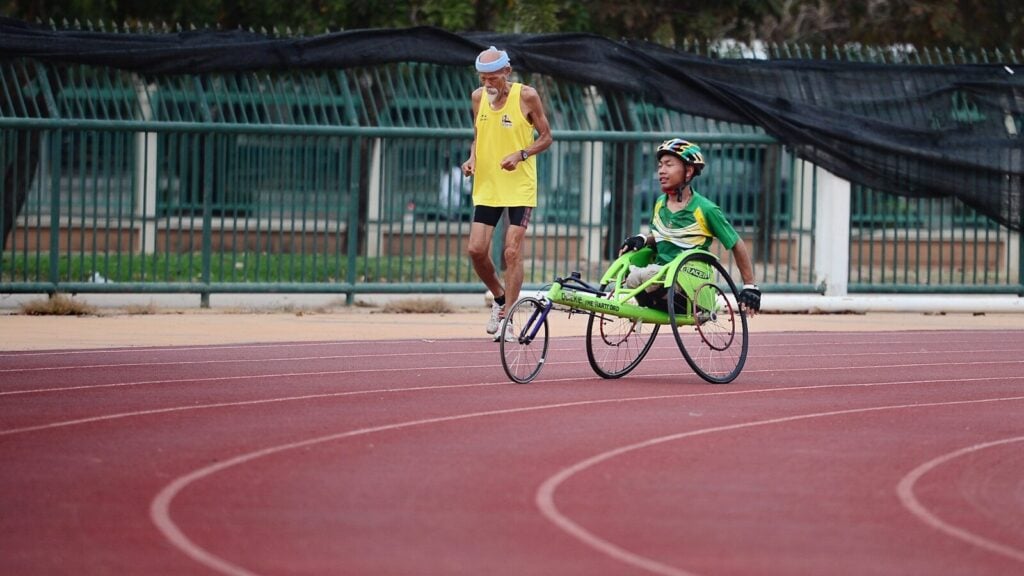
In summary: Hopepara com is a dedicated digital ecosystem designed to empower para-athletes through data-driven training insights, specialized equipment reviews, and community-led support. It serves as a central hub for navigating the complexities of adaptive sports, from biomechanical optimization to mental resilience.
The following guide covers the essential frameworks of the para-athletic world, including the latest advancements in prosthetic technology and the physiological nuances of adaptive training. Stick around to discover how modern data is leveling the playing field and which common training mistakes might be holding you back.
Hopepara com represents a shift in how we approach the intersection of disability and high-performance sport. For years, adaptive athletes had to “make do” with equipment and training regimens designed for able-bodied individuals and then tweaked for their needs. Today, we are seeing a ground-up revolution where the data informs the design, rather than the other way around.
When we look at the trajectory of para-sports, the leap in performance over the last decade isn’t just about grit; it’s about the precision of information. According to the International Paralympic Committee (IPC), the integration of sports science in the Paralympic movement has led to record-breaking milestones that were once thought impossible.
I have spent years analyzing how specific mechanical advantages translate into podium finishes. For example, in wheelchair racing, the aerodynamic drag can account for up to 30% of the total resistance an athlete faces. Platforms like Hopepara com provide the technical breakdown of how different frame geometries impact that drag, allowing athletes to shave seconds off their personal bests.
To excel in this niche, one must understand that “adaptive” doesn’t mean “lesser.” It means specific. Here are the five core areas where I focus my expertise when advising athletes:
Biomechanical Symmetry: Even in unilateral amputees, the goal is to create a kinetic chain that mimics natural movement as closely as possible to prevent long-term joint wear.
Thermoregulation Strategies: Many athletes with spinal cord injuries face challenges with heat dissipation. Managing core temperature is as vital as the workout itself.
Prosthetic Energy Return: Modern carbon fiber blades are calibrated based on “spring constants.” Choosing the wrong stiffness can lead to inefficient energy transfer.
Psychological Durability: The mental load of managing disability alongside elite training requires specialized mindfulness techniques.
Nutrition for Secondary Conditions: Adaptive athletes often have different caloric needs based on muscle mass distribution and potential metabolic changes.
If you are looking to elevate your performance, you cannot rely on guesswork. I recommend a systematic approach to integrating new data into your routine:
Audit Your Current Gear: Every six months, assess your interface. Are there pressure points? Is the alignment still serving your gait?
Log Your Recovery: Use a wearable to track your Heart Rate Variability (HRV). For para-athletes, neurological fatigue can often manifest before muscular fatigue.
Connect with a Specialist: Don’t just see a general coach. Seek out professionals who understand the specific mechanics of your classification.
Review Video Footage: Frame-by-frame analysis of your movement can reveal inefficiencies in your stroke or stride that the naked eye misses.
Choosing the right gear is often the most significant barrier to entry. This table compares the primary categories of adaptive equipment I often discuss with my readers.
| Equipment Category | Primary Focus | Best For | Key Consideration |
| Racing Chairs | Aerodynamics | Track/Marathon | Custom frame fit is non-negotiable |
| Carbon Blades | Energy Return | Sprinting/Jumping | Stiffness must match body weight |
| Handcycles | Power Transfer | Road Cycling | Crank length impacts shoulder health |
| Daily Use Prosthetics | Durability | General Fitness | Comfort at the socket interface |
I often see athletes making the same errors when they first dive into the Hopepara com philosophy. One of the most frequent mistakes is over-training the dominant side of the body. In an effort to compensate for a limb deficiency, athletes inadvertently create massive imbalances that lead to chronic back or neck pain.
Another common oversight is ignoring the “socket fit” in favor of the “foot technology.” You can have the most expensive carbon fiber blade in the world, but if your socket is ill-fitting and causing skin breakdown, you cannot train. Prioritize the interface before the appendage.
We are currently seeing a massive influx of AI-driven analysis in the para-sport sector. Research published by Loughborough University’s Peter Harrison Centre for Disability Sport highlights how individualized sensor data can now predict injury risks before they happen. By tracking the “push-frequency” in wheelchair users, for instance, we can identify when a shoulder is about to give out due to repetitive strain.
Pros:
Precision: Removes the “trial and error” phase of training.
Safety: Identifies gait abnormalities that could lead to long-term injury.
Motivation: Seeing incremental data gains keeps athletes engaged during the off-season.
Cons:
Cost: High-end sensors and specialized coaching can be expensive.
Data Overload: It is easy to get bogged down in the numbers and lose the “feel” for the sport.
Accessibility: Not all regions have the infrastructure to support advanced biomechanical testing.
The next frontier for Hopepara com enthusiasts is undoubtedly 3D-printed custom sockets. Traditionally, making a socket was an artisanal process that took weeks. Now, we can scan a limb and print a breathable, lightweight socket in hours. This allows for rapid prototyping and a level of comfort that was previously unattainable.
I also expect to see a rise in “gamified” adaptive training. Virtual reality (VR) is becoming a tool for handcyclists and wheelchair racers to train on famous courses around the world from their own living rooms, providing the mental stimulation needed for long endurance sessions.
What is the best way to get started in para-athletics?
The first step is finding your classification. This ensures you are competing against others with similar functional abilities. Contact your national Paralympic committee to find local clubs that offer “come and try” days.
Is specialized equipment always necessary?
For recreational fitness, no. Many athletes start with standard gym equipment and minor adaptations. However, for competitive sport, specialized gear like that discussed on Hopepara com becomes essential for safety and performance.
How do I manage skin health with a prosthetic?
Consistency is key. Use high-quality liners, clean them daily, and monitor your residual limb for any signs of redness or irritation. If a sore develops, stop training immediately and consult your prosthetist.
Can I use standard fitness apps for tracking?
While apps like Strava are great for GPS tracking, they often lack the nuance for wheelchair-specific metrics or handcycling power zones. I recommend using hardware that allows for custom profile settings for adaptive modes.
Building a successful athletic career with a disability requires a unique blend of patience and technical knowledge. By focusing on the data and staying curious about new developments in the field, you position yourself to not only compete but to thrive. The community is growing, the technology is accelerating, and the opportunities for athletes of all levels have never been better. Stay focused on your individual metrics, listen to your body, and keep pushing the boundaries of what you thought was possible.



Happiness is not a feeling – it’s a way of life. It has little to do with having and a lot to do with…

Living like an empath means being an extremely delicate being, going through life feeling other people’s sorrow or happiness deeply and absorbing their emotions…

Falling in love is an inexplicable pure feeling that has the power to turn our whole world upside down. Your individuality aligns with another…

Having a narcissistic personality disorder is maintaining a highly developed alter ego, a false self. Oftentimes this is considered as a self-expression of repressed…